

Summer Termite Swarms: What Do They Mean for Your Home?
How to Protect Your North Texas Home from Summer Termite Activity
Summer in North Texas brings backyard barbecues, pool days, and plenty of time outdoors. Unfortunately, it also marks one of the busiest times of year for termite activity. If you’ve noticed winged insects gathering around your windows, porch lights, or doors after a warm rain, you may be witnessing a termite swarm. While seeing a swarm can be alarming, it is also one of the earliest warning signs that a termite colony may be nearby.
At Home Run Pest & Termite Control, we help homeowners throughout North Texas identify, prevent, and eliminate termite problems before they lead to costly structural damage. Our experienced team understands how local weather patterns, expanding neighborhoods, and the region’s clay-rich soils contribute to termite activity. Whether you live near Lewisville Lake, in Frisco, Denton, McKinney, Flower Mound, or another North Texas community, protecting your home from termites should be a priority during the summer months. By understanding what termite swarms mean and knowing when to schedule a professional termite inspection, you can safeguard your investment and enjoy greater peace of mind.
Why Do Termites Swarm During the Summer?
A termite swarm is part of a colony’s natural reproductive cycle. Mature colonies produce winged termites, often called swarmers or alates, whose job is to leave the nest, mate, and establish new colonies.
Warm temperatures, increased humidity, and rainfall create ideal conditions for swarming. In North Texas, this often occurs from late spring through the summer months. After a rainstorm, homeowners may suddenly notice dozens or even hundreds of flying termites around outdoor lights, windows, or entryways.
Although swarmers do not cause damage themselves, they signal that an established termite colony is nearby. If swarmers are found inside your home, there is an increased likelihood that termites are already active within the structure.
Signs You May Have a Termite Problem
A termite swarm is only one indicator of termite activity. Because termites work quietly behind walls and beneath floors, many infestations go unnoticed until significant damage has already occurred.
Watch for these common warning signs:
- Discarded wings near windows, doors, or light fixtures
- Mud tubes along the foundation or exterior walls
- Soft, hollow sounding, or damaged wood
- Bubbling or peeling paint that resembles water damage
- Doors or windows that suddenly become difficult to open or close
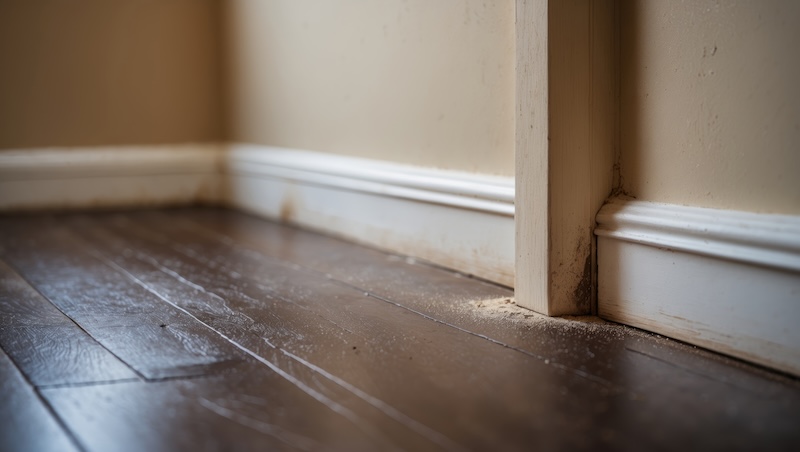
- Small piles of termite droppings (for drywood termites)
The United States experiences billions of dollars in termite-related property damage each year, and most homeowners insurance policies do not cover termite damage. Early detection through routine termite inspections is one of the most effective ways to avoid expensive repairs.
Why North Texas Homes Are Especially Vulnerable
North Texas provides ideal conditions for subterranean termites, the most common termite species in the region. These termites live underground and build mud tubes to reach wooden structures while maintaining the moisture they need to survive.
Several local factors increase termite risk, including:
- Long periods of warm weather
- Heavy spring and summer rainfall
- Expanding residential construction that disturbs termite colonies
- Homes with wood mulch, landscaping timbers, or moisture near the foundation
Whether your home is newly built or decades old, termites can become a problem if they find access to wood and moisture. Regular inspections are especially important in growing communities where construction activity may disrupt existing colonies.
How Professional Termite Treatment Protects Your Home
While DIY termite products are available, they rarely eliminate an entire colony. Surface treatments may kill visible termites but leave thousands more hidden underground.
Professional termite control focuses on identifying the source of the infestation and applying proven treatment methods that protect your entire property.
At Home Run Pest & Termite Control, our termite services begin with a thorough inspection of your home’s interior and exterior. We identify signs of activity, assess areas of concern, and recommend a customized treatment plan based on your property’s specific needs.
Depending on the situation, treatment may include targeted applications, soil treatments, baiting systems, or long-term monitoring. Our goal is not only to eliminate active termites but also to help prevent future infestations.
How Homeowners Can Reduce the Risk of Termites
Although no home is completely termite-proof, a few simple maintenance steps can significantly reduce your risk.
Consider these preventative measures:
- Schedule an annual professional termite inspection.
- Repair leaking faucets, gutters, and irrigation systems promptly.
- Keep mulch and soil from touching your home’s siding.
- Store firewood away from your home’s foundation.
- Eliminate standing water around the property.
- Seal cracks where utility lines enter the home.
- Address wood-to-soil contact whenever possible.
Combining these preventive steps with ongoing termite protection provides the best defense against costly structural damage.
Don’t Ignore a Summer Termite Swarm
Seeing flying termites around your home is more than just a seasonal nuisance. It may be an early warning that a termite colony is nearby or already active within your property. Acting quickly can help prevent extensive damage and protect one of your largest investments.
Home Run Pest & Termite Control is proud to help homeowners throughout North Texas stay ahead of termite problems with professional inspections, effective termite treatment, and reliable long-term protection. Whether you’ve noticed a recent swarm or simply want the confidence that your home is protected, our experienced team is ready to help.
Ready for professional termite protection? Contact Home Run Pest & Termite Control today through our contact page to schedule your termite inspection and keep your home protected all year long.