

Firewood Safety: Why Storing Firewood Against Your House Invites Termites and Wood-Boring Beetles
How Improper Firewood Storage Creates a Direct Highway for Destructive Pests Into Your Home
As temperatures drop and North Texas winters approach, stacking firewood conveniently against your home’s exterior is tempting. But that innocent pile of logs could be the most dangerous decision for your home’s structural integrity. At Home Run Pest & Termite Control, we serve North Texas homeowners, and we’ve responded to countless emergency termite calls during winter months—the majority stem from one preventable mistake: storing firewood too close to the house. Firewood stacked against your home’s foundation creates a literal bridge that allows termites, carpenter ants, and wood-boring beetles direct access from soil into your home’s structural wood. We’ve seen cases where termites caused thousands of dollars in structural damage that could have been completely prevented with proper firewood storage. This guide explains the hidden dangers of improper firewood storage and shows you exactly how to protect your North Texas home.
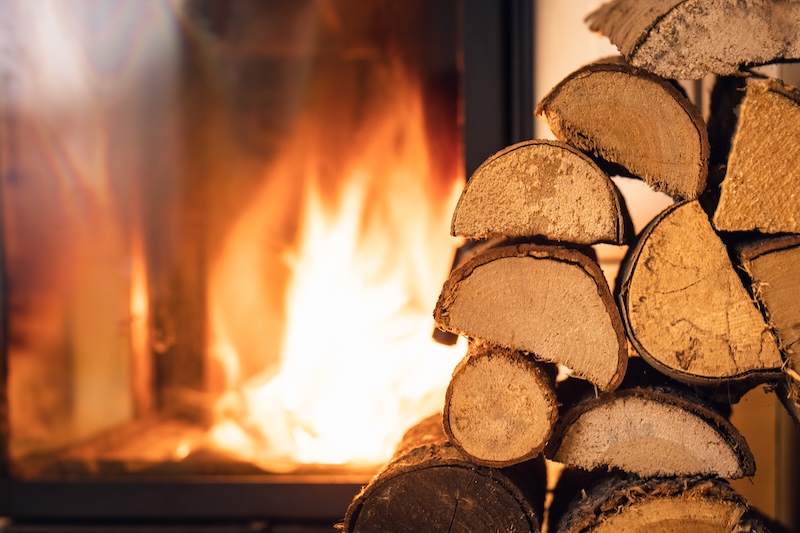
Understanding the Threat: Why Firewood Attracts Destructive Pests
Firewood is a magnet for destructive pests. Termites, carpenter ants, and wood-boring beetles view firewood as an ideal combination of shelter, food, and moisture. In North Texas’s warm climate, termites remain active longer throughout the year, making proper firewood storage even more critical. Termites use firewood as shelter, with worker termites tunneling into wood and feeding on cellulose, potentially using the firewood as a bridge to nearby structures.
The danger escalates when firewood touches your home’s foundation or exterior walls. Termites can use firewood piles as a highway into homes, especially when wood touches crawl space doors or foundations, potentially causing thousands of dollars in structural damage. Carpenter ants tunnel through firewood to create nests, and wood-boring beetles bore into logs, potentially spreading indoors when wood is brought inside.
The Critical Distance: How Far Away Should Firewood Be Stored?
Firewood should be stored at least one to two feet away from the house, with larger piles positioned about 30 feet away to prevent termites from establishing a pathway into your home. Best practice recommends storing firewood at least 20 feet away to minimize termite migration risk.
This distance is critical because termites maintain a connection to their underground colony, which provides moisture and nutrients essential for survival. When firewood sits directly against your home, it creates an uninterrupted pathway allowing worker termites to continuously travel between soil and your home’s wooden structures without exposure.
Elevation and Storage Strategy: Making Your Firewood Less Attractive
Use a Firewood Rack Storing firewood elevated and off the ground prevents direct soil contact and keeps wood drier, deterring moisture-loving termites. A simple raised rack eliminates the connection pests need.
Allow Wood to Season Properly Season freshly cut wood for at least six months in a sunny, well-ventilated spot. Dry wood is significantly less attractive to termites and wood-boring beetles, which require moisture to thrive. North Texas’s warm climate means pests remain active year-round, so proper seasoning is essential.
Rotate Your Supply Use oldest wood first—older wood is more likely to harbor termite infestation. This practice ensures infested wood gets burned before pests escape.
Inspection: Spotting Warning Signs Before Bringing Wood Inside
Before bringing firewood indoors, perform a thorough inspection. Look for mud tubes along bark, hollow-sounding wood when tapped, termite pellets, or unusual damage patterns. Signs of infestation include mud tubes, hollow-sounding wood, and frass (termite droppings) resembling small wood pellets.
Never Use Pesticides on Firewood
Never spray firewood with insecticides—the fumes can be toxic when wood burns. Instead, move affected wood away from your home’s foundation to elevated position. Termites will die when they lose soil contact and moisture source.
Partner with Home Run Pest & Termite Control for North Texas Protection
Winter is peak season for firewood-related pest problems. Professional inspection can identify pest threats before they cause damage, ensuring your firewood stays pest-free and your North Texas home remains protected.
Concerned about termites or wood-boring beetles in your firewood? Contact Home Run Pest & Termite Control for professional inspection and safe firewood management recommendations.
Call Home Run Pest & Termite Control today. Keep your firewood—and your North Texas home—pest-free this winter.