

The Winter Mound Myth: Why Fewer Fire Ant Mounds Doesn’t Mean They’re Gone
Understanding Fire Ant Winter Behavior in North Texas Yards
Winter in North Texas brings cooler temperatures and, for many homeowners, a welcome sense of relief: the fire ant mounds that plagued your yard all summer seem to have disappeared. You stop seeing the telltale dirt mounds in your lawn. Activity slows to a crawl. It’s easy to assume the problem has solved itself—that winter’s cold has finally eliminated these persistent pests. But this assumption could cost you thousands of dollars in spring damage and safety risks. At Home Run Pest & Termite Control, we work with North Texas homeowners year-round, and we’ve seen firsthand how this “winter mound myth” catches families off guard every single spring. The truth is simple but critical: fewer visible mounds doesn’t mean fewer fire ants. In fact, winter is when fire ants are most vulnerable to treatment—and when strategic action prevents explosive spring infestations that can damage your lawn, threaten your family, and invade your home.
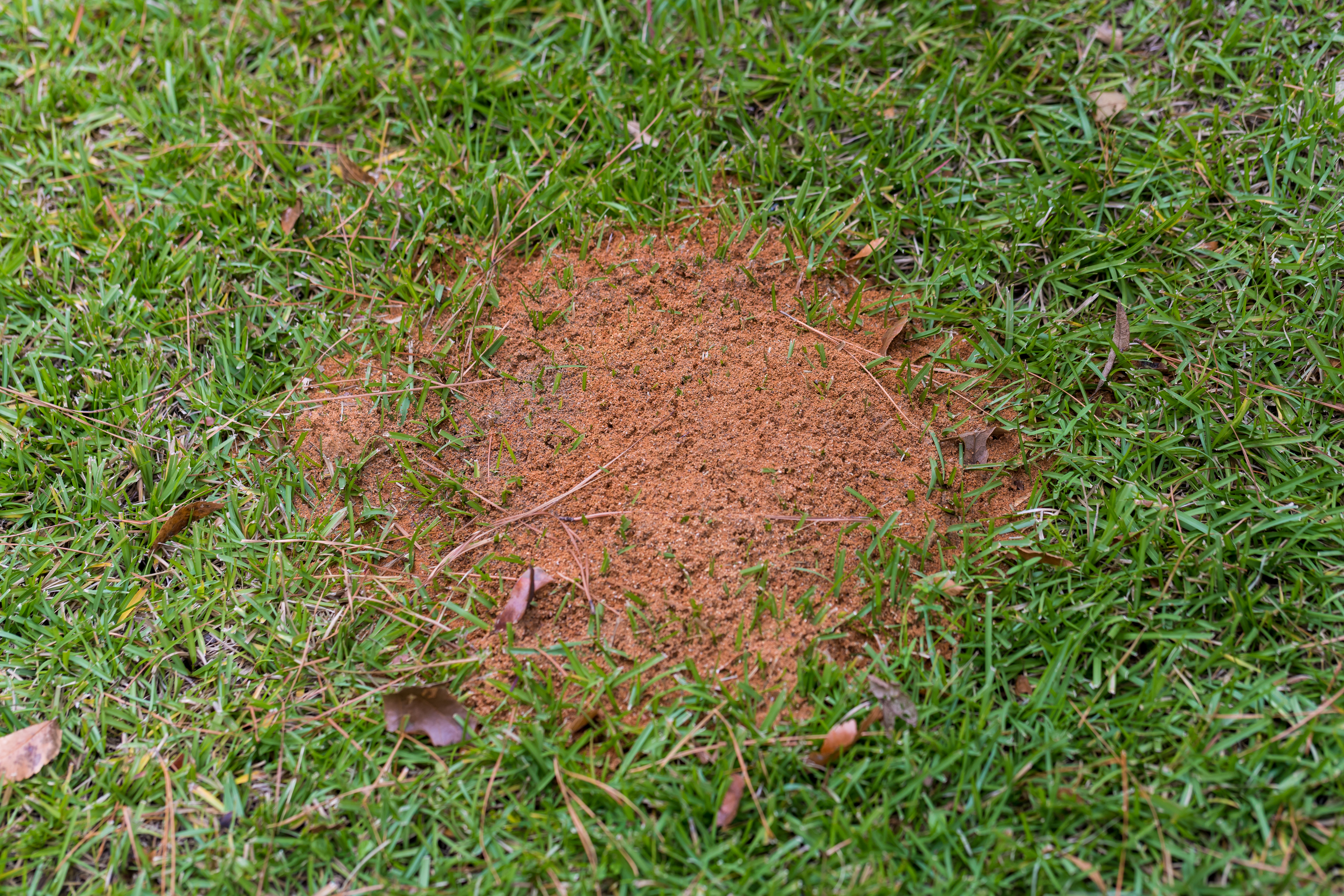
Why Fire Ants Disappear From View in Winter (But Don’t Actually Leave)
When temperatures drop across North Texas, fire ants don’t pack up and leave. They don’t hibernate. They don’t die off. Instead, they do something much more strategic: they move deeper underground, where soil temperatures remain warmer and more stable. As surface conditions cool, worker ants burrow deeper into the networked tunnels of their colony, clustering around the queen to conserve heat and protect her from the cold. This behavior makes mounds less visible—sometimes nearly invisible—which is why many homeowners believe the colony has been eliminated by winter’s chill.
But here’s the critical insight: the colony is still very much alive. In North Texas’s relatively mild winters, these underground colonies remain active. On sunny days or after winter rains, when soil temperatures warm even slightly, you may see fresh mounds appearing in your yard, or notice ants repositioning their nests closer to heat-retaining structures like driveways, sidewalks, and home foundations. This is a sign that the colony didn’t disappear—it simply adapted.
The Real Danger: Hidden Colonies During the Cold Months
The invisibility of winter fire ant mounds creates a false sense of security that’s actually dangerous. While you’re enjoying your winter yard without visible ant activity, colonies are sheltering underground—dormant in their behavior, but still present, still organized, and still thriving. A single mound that appeared to be “gone” in January can house anywhere from 50,000 to 100,000 worker ants, plus the queen responsible for the colony’s survival and reproduction.
The danger becomes even more severe when fire ants relocate to structures near your home. During colder months, ants seek out warmth and often tunnel toward utility lines, foundation cracks, and soil near your home’s perimeter. If left untreated, these hidden colonies can establish nests in crawl spaces, wall voids, and electrical systems—turning a yard problem into a serious structural threat. Winter is when many homeowners inadvertently invite fire ants closer to their homes without realizing it.
Why Winter Is Actually the Best Time to Treat Fire Ants
This is where most North Texas homeowners miss a critical opportunity. Winter isn’t the time to wait and see—it’s the time to act. In fact, pest management experts identify fall and winter as the single best season for fire ant treatment, and there are several tactical reasons why.
Fire Ants Aren’t Too Deep for Treatment In colder weather, fire ants burrow to moderate depths to find warmth. They’re not so deep that treatment products can’t reach them, but they’re deep enough that colonies remain compact and organized. This accessibility window is crucial—it means professional treatments like baits and soil drenches can penetrate to the queen and brood with maximum effectiveness.
Colonies Are Smaller and Younger Fire ants mate actively in spring and summer. By fall, many colonies in North Texas yards are still relatively young and small. If left untreated, these colonies will expand dramatically when spring arrives, creating the massive mound problems you see in summer. Treating them now—while they’re smaller and less established—is far more effective than trying to control a huge, mature colony in spring.
Winter Is an Ally in Population Control When you reduce fire ant numbers in winter through professional treatment, you’re leveraging winter itself as a control tool. Maintaining a large population requires significant ant work—constantly repairing tunnels, gathering food, and caring for the brood. A reduced population struggles to maintain the colony structure through harsh winter conditions. As one entomologist explains, “Reducing their numbers in the fall can help push them over the edge in the winter.” This creates a compounding effect: treatment weakens the colony, and winter finishes the job.
Spring’s Explosion: What Happens When Temperatures Rise
To understand why winter treatment is so important, consider what happens in spring. As North Texas temperatures warm, fire ant activity explodes. Dormant foraging behavior resumes. Colonies that survived winter (even weakened ones) rapidly rebuild their populations. A queen can lay up to 1,500 eggs per day, and newly emerged workers immediately begin expanding mounds, seeking food, and defending territory. This is why untreated winter colonies often seem to “come back stronger” in spring—because they do.
If you skipped winter treatment, spring becomes a scramble to control massive, aggressive colonies with thousands of workers ready to sting. Lawns suffer extensive damage. Family outdoor time becomes risky. The problem that was manageable in winter becomes overwhelming in spring.
Your Winter Action Plan: Professional Treatment Protects Your Spring
The winter mound myth has convinced countless North Texas homeowners to delay action. But timing is everything with fire ants. This winter, before spring’s explosion begins, professional treatment from Home Run Pest & Termite Control can eliminate hidden colonies before they become visible problems.
Our team identifies every active colony—visible and hidden—and applies targeted treatments designed to reach the queen and eliminate the entire colony structure. We don’t just treat mounds; we address the colonies’ network of tunnels, chambers, and protective barriers. During winter, when colonies are at accessible depths and conditions are optimal for treatment effectiveness, we deliver maximum impact with minimum effort.
Ready to protect your North Texas home from spring fire ant invasions? Don’t let the winter mound myth fool you. Contact Home Run Pest & Termite Control today for professional fire ant treatment and a custom protection plan for your property.
Call Home Run Pest & Termite Control now. Winter treatment today means peace of mind all spring and summer long.