

The “Silent” Winter Wood-Destroyers: Why Termites Are Busy When It’s Cold
Don’t Let Winter Dormancy Myths Leave Your Home Vulnerable to Hidden Termite Damage
Many homeowners mistakenly believe winter brings relief from termite problems. This dangerous misconception leaves homes vulnerable to thousands of dollars in undetected damage. At Home Run Pest & Termite Control, we know the truth: termites don’t hibernate in winter, they move deeper. While snow falls and temperatures plummet, termite colonies remain active inside your home’s walls and foundation, continuing to consume wood around the clock. These pests are called “silent destroyers” because they work invisibly, often going unnoticed until catastrophic structural damage appears. Unlike many pests that truly disappear in cold weather, termites have evolved sophisticated survival strategies that allow them to thrive year-round, even in harsh climates. Subterranean termites burrow deeper underground to access stable warmth, while drywood termites simply retreat further into wooden structures where indoor heating provides perfect conditions. The cold weather that most people associate with pest relief actually creates an ideal environment for termite damage to accumulate unchecked. This is precisely why winter is the most critical time for professional termite inspections and prevention. Understanding winter termite behavior is essential for protecting your property’s structural integrity and avoiding repair costs that can exceed $10,000.
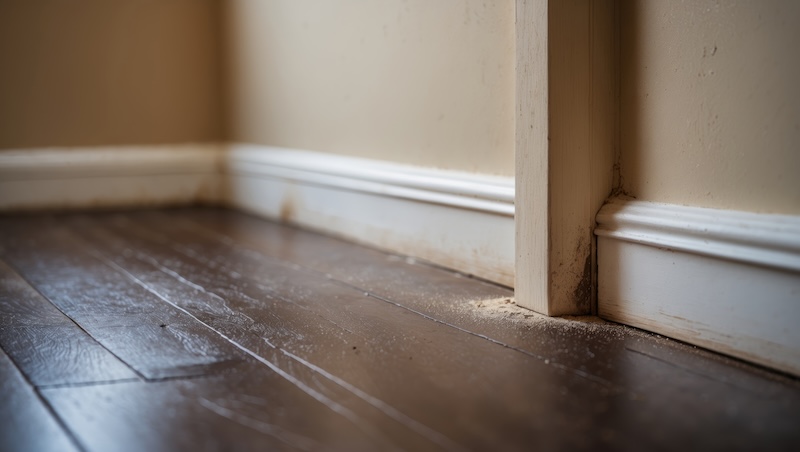
How Winter Changes Termite Behavior: Moving Deeper, Not Away
The fundamental misconception about winter termites stems from a misunderstanding of their biology. Termites are cold-blooded insects, meaning they depend on external temperature to regulate their body heat. Below 50 degrees Fahrenheit, they become less active and slow their metabolism to conserve energy. However, they don’t die or enter true hibernation. Instead, subterranean termites, the most destructive species, construct deeper tunnels below the frost line where soil maintains stable, above-freezing temperatures. Drywood termites that already infest wooden structures retreat further into the wood’s interior, away from cold exterior surfaces. Both species maintain their colonies and continue feeding on cellulose, though at a reduced rate. The critical difference is that inside heated homes, termite activity may remain nearly unchanged from warmer months. Your heated basement, crawl space, and insulated walls create ideal termite environments year-round, while frozen ground outside offers no protection whatsoever.
The Hidden Cost of Winter Infestations: Damage Accumulates in Darkness
While termites work silently through winter, the financial consequences accumulate rapidly. The average homeowner pays $3,000 to repair termite damage, but extensive structural repairs can easily exceed $10,000. Across the United States, termites cause approximately $5 billion in damage annually. Most troubling is that homeowners insurance typically excludes termite damage from coverage, making prevention your only financial defense. A mature termite colony consumes two to three grams of wood daily, which seems insignificant until months of continuous feeding create hollow beams, weakened floors, and compromised structural integrity. Winter’s reduced visibility works in the termites’ favor, allowing colonies to expand for months without detection. By spring, when homeowners finally notice signs like mud tubes or damaged wood, extensive damage already exists behind walls and under floors. This is why early detection during winter is so valuable—catching infestations before damage escalates saves thousands in repair costs.
Winter Detection: Signs Remain Even When Termites Slow Down
Winter doesn’t hide all termite signs, though they become more subtle. Mud tubes along foundation walls remain visible year-round, serving as highways between underground colonies and wood sources. Discarded wings near windows or doors indicate swarmer activity as colonies prepare for expansion. In late winter, as temperatures begin rising, you may hear soft clicking or rustling inside walls as termites communicate or move through wood. Sticking doors, windows, or floors suggest moisture and damage accumulating invisibly. The key difference from warm months is that active swarming decreases in winter, creating a false sense of security. Don’t let the lack of visible swarmers fool you into thinking your home is safe.
Winter Protection: Your Strategic Advantage Against Silent Destroyers
Winter presents the ideal opportunity for professional termite inspections and preventive treatment. Reduced termite movement makes treatment applications more effective, and your inspector can access crawl spaces and foundations more easily without competing with peak-season workload demands. Sealing foundation cracks, eliminating wood-to-soil contact, and reducing moisture sources before winter intensifies prevents colonies from establishing deeper. Professional monitoring establishes baseline termite activity and catches emerging problems before damage occurs. Your home’s long-term protection depends on taking action now.
Don’t Wait Until Spring to Discover Winter’s Silent Damage: Schedule Your Free Inspection Today
Home Run Pest & Termite Control understands the unique winter termite threat in your area. Contact us now for a comprehensive inspection and customized protection plan. Protect your home’s structural integrity and your family’s safety before these silent destroyers cause costly damage.